
What a Dilated Eye Exam Can Reveal About Your Health
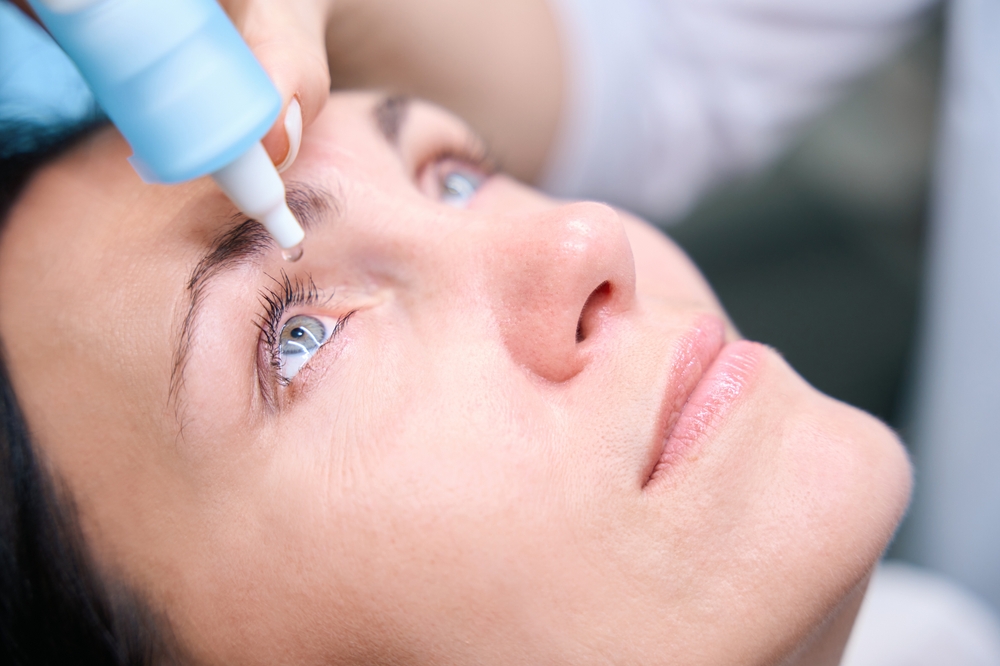
Your eyes can reveal more about your health than you might realize. Even when your vision seems clear, certain eye diseases and underlying health conditions can develop without noticeable symptoms. At Eye Care & Wear, we use dilated eye exams to examine the internal structures of your eyes and identify potential concerns before they begin affecting your vision.
Why Is a Dilated Eye Exam Important?
During a dilated eye exam, we use specialized eye drops to temporarily enlarge your pupils. This allows us to examine the retina, optic nerve, and blood vessels at the back of your eyes more thoroughly.
While a standard vision test measures how clearly you see, dilation helps us evaluate the health of your eyes. This additional examination can reveal early signs of conditions that may otherwise go unnoticed.
What Health Conditions Can a Dilated Eye Exam Detect?
A dilated eye exam can provide important information about your eye health and may reveal signs of certain systemic health conditions.
Some of the conditions we look for include:
• Diabetic Retinopathy: Diabetes can damage the small blood vessels in the retina. A dilated eye exam helps us identify changes such as leaking blood vessels, swelling, or abnormal blood vessel growth.
• High Blood Pressure: Hypertension can affect retinal blood vessels, sometimes causing narrowing, bleeding, or other visible changes.
• Glaucoma: We examine the optic nerve for signs of damage that may indicate glaucoma, a condition that can cause permanent vision loss if left untreated.
• Age-Related Macular Degeneration: Dilation allows us to examine the macula for changes associated with this condition, which affects central vision.
• Retinal Tears and Detachment: We check for retinal abnormalities, including holes or tears that could lead to serious vision problems without prompt treatment.
These findings may require additional testing to confirm a diagnosis and determine the appropriate next steps.
How Your Eyes Reflect Your Overall Health
The retina contains tiny blood vessels that can provide clues about your body's circulatory health. Changes in these vessels may indicate problems associated with diabetes, hypertension, or other medical conditions.
At Eye Care & Wear, we consider these findings alongside your medical history and other examination results. When necessary, we may recommend further evaluation or coordination with your primary care provider. Although a dilated eye exam cannot replace a general medical examination, it can provide valuable information about your overall health.
What to Expect After Eye Dilation
After your pupils are dilated, you may experience temporary blurry near vision and increased sensitivity to light. These effects typically last several hours, although the duration varies. We recommend bringing sunglasses to help with light sensitivity. If your vision is significantly affected, you may need someone to drive you home. Our eye doctors will explain the examination findings and discuss whether additional testing or follow-up appointments are necessary.
When Should You Schedule a Dilated Eye Exam?
The recommended frequency of dilated eye exams depends on your age, medical history, symptoms, and risk factors. Patients with diabetes, a family history of glaucoma, or existing retinal conditions may require more frequent evaluations.
Even without symptoms, regular comprehensive eye exams are important for monitoring changes in your eye health. Sudden flashes, new floaters, or a shadow across your vision require urgent evaluation rather than waiting for a routine appointment.
If you're due for a comprehensive eye exam, schedule a visit with Eye Care & Wear to learn more about your eye health. Contact our Morristown, NJ location at (973) 538-5287, Ridgewood, NJ location at (201) 652-8080, or Upper Montclair, NJ location at (973) 707-5255 to book an appointment today.



Upper Montclair
Morristown
Ridgewood
© 2026 Eye Care & Wear | All rights Reserved | Accessibility Statement | Privacy Policy | Sitemap
Managed and Designed by:
